Translate

Sunday, November 30, 2014

Advent Devotional Sunday 1 Devotional

Year B: The Light of the World


This Advent Devotional invites us to reflect on several pieces of Art during the Advent Season as we prepare our hearts for Christ's coming.  

Thursday, November 20, 2014

Service of Thanksgiving Matt 25:1-13


click on this link to listen to Thanksgiving Worship Service part 1

click on this link to listen to Thanksgiving Sermon

click on this link to listen to Thanksgiving Sermon part 2

Thanksgiving is a civil holiday and not part of the liturgical year, nevertheless, it is an opportunity to reflect as a nation and to give thanks.  This special service of thanksgiving at First Presbyterian Church of Umatilla reflects on Matt 25:1-13 and the healing of the ten lepers.  Only one leper, appreciating the grace and mercy that he had received, returned to give thanks as an act of Worship to God.  In the same way, for us, gratitude for God's grace and love should be the heartbeat for our living. 

Tuesday, October 21, 2014

Reformation Hymns Remembered


The Reformation saw changes to worship, including the versification of Psalms among the Reformed churches, and new hymns that were introduced such as Martin Luther's "A Might Fortress is our God" and a lesser known hymn attributed to John Calvin which first appeared in the Strasbourg Psalter in 1545 "I Greet Thee Who My Sure Redeemer Art."  This hymn illustrates the Reformed theological emphasis of God's grace and mercy, the sovereignty of God, a prayer for unity in the church, and our need to trust in Jesus Christ.  This arrangement comes from singer, songwriter, and pianist Zachary Harris.

Some churches observe "Reformation Sunday" as a time to reflect on the Reformers, their message and the origins of numerous Christian denominations.  While this usually reflects on the positive aspects of the reformation, we cannot ignore the many divisions, religious wars, political and social  upheaval that resulted during this period.   There is no question that for better of for worse the Reformation had a profound impact on the social fabric of Europe and the world.  Even within the Roman Catholic church, the catholic reformation which in many ways preceded the Reformation gained steam after the outbreak of the Protestant Reformation.  The Catholic church saw changes during this period with the Council of Trent and under St. Ignatius and the Jesuits who brought about a new emphasis on mission and education around the world.  The hymn lyrics are provided below for "I Greet Thee" given as a prayer and hope for the peace and unity of the catholic church that we may one day heal the divisions that separate us.  It is also presented in memory of those reformers that following their consciousness called the church to a renewal of faith and practice.

I Greet Thee, Who My Sure Redeemer Art

I greet Thee, who my sure Redeemer art,
My only trust and Savior of my heart,
Who pain didst undergo for my poor sake;
I pray Thee from our hearts all cares to take.

Thou art the King of mercy and of grace,
Reigning omnipotent in every place;
So come, O King, and our whole being sway;
Shine on us with the light of Thy pure day.

Thou art the life, by which alone we live,
And all our substance and our strength receive;
Sustain us by Thy faith and by Thy power,
And give us strength in every trying hour.

Thou hast the true and perfect gentleness,
No harshness hast Thou and no bitterness;
O grant to us the grace we find in Thee,
That we may dwell in perfect unity.

Our hope is in no other save in Thee;
Our faith is built upon Thy promise free;
Lord, give us peace, and make us calm and sure,

That in Thy strength we evermore endure


Wednesday, October 1, 2014

What is Worship? by Rev. Dr. Michael Van Horn


What is Worship?
By:   ~ The Rev. Michael Van Horn, Ph.D.

Human beings were created for worship. The triune God has invited us to share in His life, and Jesus, our High Priest, leads us into the presence of God by the power of the Holy Spirit. Our celebration of worship is the central way we make ourselves present to what God has done and is doing through Jesus Christ.
Worship should never be a spectator sport. We are invited to engage as whole people in the public service of remembering God's covenants with His people. The liturgy is not our words, but the Church's words, given to us by a gracious, self-revealing God. We need worship, as one writer says, because we need the "weekly practice at not being God" and discovering just who the one true God is. It is only with this vision clarified that we can ever discover who we are, and flourish as human creatures. A service of worship church contains four basic elements: The Gathering, the Word, the Table, and the Sending. Each of these elements intentionally forms us into the people of God, mindful of God's gift of Himself:
1. Gathering as the People of God
We come together, out of our various and distinct places of service in the world, to be joined together as one people with one purpose; to be re-oriented to God's life and God's world.
Silence - We pause briefly to hush the "noise" of our lives, recalling that, left to ourselves, we have nothing to say to God.
Call to Worship and Invocation - Here we recite our purpose for gathering and are reminded that we come only at God's gracious invitation. For this gift, we can only respond by saying "thank You."
Confession of Sin and Words of Pardon - We do not come before a holy God on our own terms. We have sinned. We have hurt others and ourselves. Confession is honesty about who we are in the light of who God is. We confess our sins together, with the whole Church, because we do not stand alone in our brokenness. Yet, we come to confession not to grovel in anxiety, but to empty our hands of our own "solutions" so that we can receive God's gift of promised forgiveness in Christ.
Peace - As forgiven and reconciled people, we have been called to a ministry of reconciliation in the world. Since God has forgiven us, we can forgive others and live at peace with them. We start with the family of God, speaking words of peace in Christ, and continue by extending that peace in all our relationships and choices.
Praise - Learning again that God has met us in our need, and has abundantly forgiven us, we celebrate in songs of gratitude and joy. Once again, these are not merely our words, but words given to us by God in His Church.
2. Listening to God's Word
The center of our worship is the revealed speech of God. God has spoken to His people "words of eternal life," and we take time to simply, reverently, and humbly listen to what God is saying. The Scriptural story is our story, as the people of God. This is a story of people caught up in God's grace, human faithfulness and failure, and God's constant loving kindness toward us.
Scripture – There can be as many as four passages from Scripture read,  (Old Testament, a Psalm response, New Testament Epistle, and a Gospel reading). These texts, often taken from a three-year lectionary cycle, are shared in common by Christians from many denominations around the world. Here we remember that God is speaking to all of us, the whole people of God, and our response at this Word is one of gratitude: "Thanks be to God!"
Sermon - The sermon is a prayerful attempt to proclaim the Word of God within our lives together as followers of Jesus Christ. God's Spirit continues to speak to us, and we are compelled to hear the daily call to faithful discipleship.
Creed - Biblical worship always includes response. In our affirmation of faith, we are invited to corporately affirm what the Church proclaims. With this confession, we join our voices to the Church around the world and throughout time, saying, "Yes Lord, we believe, and will obey."
3. Gathering at the Lord's Table
Here we begin to act as obedient disciples, through giving of our lives, interceding in prayer for others, and sharing in the meal that identifies us as people of the kingdom - the body of Christ for the world.
Offering - Like the rest of the worship service, the offering is a meaningful symbol. By giving to the ministries of the Church as an act of worship, we are acknowledging a deeper, larger reality: All of life is a gift from God. What we joyfully give in worship should keep us mindful that everything we have is a gift of God and should be used for His glory.
Prayers of the People - God has ordained us to be priests. Part of that priesthood is the work of intercession. In the prayers of the people we begin the lifelong task of bringing before God - through the ministry of Jesus, in the power of the Spirit - the needs of the world, the church, our communities and families, and ourselves.
The Eucharist - Communion is the reality of participating in the life of God through the gift of Jesus Christ to us. Here we give thanks to the Father for His work of creation and redemption; we remember the Son, Jesus, for His life-giving life, death, and resurrection even as we await His coming; and we ask for the presence of the Spirit to join us to the life of Christ and to transform us into kingdom people, who seek to live lives of justice and peace in the world, until the day the Kingdom of God fully arrives.
4. Going out into God's World
Worship makes "sense" of the world, inviting us to see and do the world God's way. The end of the service is really a beginning: the beginning of a life of worship in which we love God and neighbor, seeking to "do justice, love mercy, and walk humbly with our God."

Sending - Having heard God speak, having learned the Good News, having been nourished at the Lord's Table, we have been commissioned for the work of Jesus in our homes, places of work and play, in the whole creation. The "sending" offers words of direction - marching orders - for the people of God: "Go in peace to love and serve God and neighbor." We have work to do.

Monday, September 22, 2014

For Better Immigration Policy


 “The Lord watches over the sojourner and sustains the fatherless and the widow.” — Psalm 146:9

the Bible has much to say about our responsibility to the immigrant. As Presbyterians, we belong to a tradition that believes in the sovereignty of God over all people.  We are bound together and share an identity rooted in the Imago Dei- the image of God.  Our ancestors in the faith from Abraham to Jesus, and even those Presbyterians that first came to the America's were displaced people, often seeking a new land to worship freely or to be free from want. 

The MPI (Migration Policy Institute) has released a report "The Deportation Dilemma: Reconciling Tough and Humane Enforcement" on the Obama Administration's immigration enforcement record. The report analyzed the US deportation system over the last two decades.  It specifically examined the tension between strict government enforcement (a record level of removals under President Obama) and a push for more humane treatment of unauthorized people that have lived in our country for a long time.  The report some concerning issues, not only have over 4.5 million people been removed, but over 75% of deportations were handled via summary removal, that is by enforcement officers and not by judges. The report recommends that the US creates clearer more consistent guidelines for those that don't have criminal ties and have roots in the US, expand judicial oversight, and improve ICE and CBP officer training. 

This is not just a humanity issue, it is a faith issue.  As Christians with a history of immigration support in our denomination, write congress and the White House today to ask that immigration policy of the United States reflect our faith's call for justice and equity, not just speedy removal.  

Deportation Dilemma Report 

PCUSA study on immigration 

Letter from Glady's Parson on Immigration Reform


Wednesday, September 17, 2014

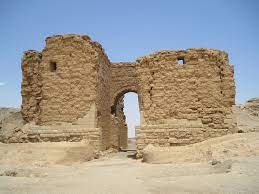
Take a virtual tour of the archeological site of Dura-Europos


click below to enter the Yale Archeology Site for Dura Europos:

Dura Europos Virtual Tour Yale Archeology Site

The archeological site of Dura-Europos in modern day Syria is an important site because it gives us insight into the cultural diversity of the ancient world.  Three important religious sites, a synagogue covered with biblical scenes painted on the walls, an early Christian house church with a baptistry and what may be the earliest artistic depiction of Jesus, and a shrine to the god Mithras.   Enter the site to take a virtual tour and learn more about this important archeological city.

Check out the ARDA: Association for Religious Data Archives


The ARDA Association for Religious Data Archives website provides an excellent opportunity to see the different branches of Christianity that has resulted in the many Christian denominations in a graph form of a "family tree."

Check out the category on the home page titled "Family Tree for World Religions" under the heading "Christian" for a "Christian" family tree.  Select from the top category Family Tree for Christian Denominations to see any one of the various different Christian denominations.

Presbyterianism has its roots in the reformation in Europe.  In the United States, Rev Francis Makemie an Irish immigrant helped to organize the first American Presbytery in Philadelphia in 1706.  English Presbyterians are recorded in colonial America as early as 1531. As Presbyterianism grew, many theological controversies caused splinter groups.  The below link to the  Presbyterian family tree shows the various groups that have branched off to form new denominations.  Its worth a look.

Click here to access the ARDA web site

Click here to access Christian family tree

Click here to access Christian family Tree via ARDA